
K-Everydayism: Why Tourists in Korea Are Skipping Tourist Traps in 2026
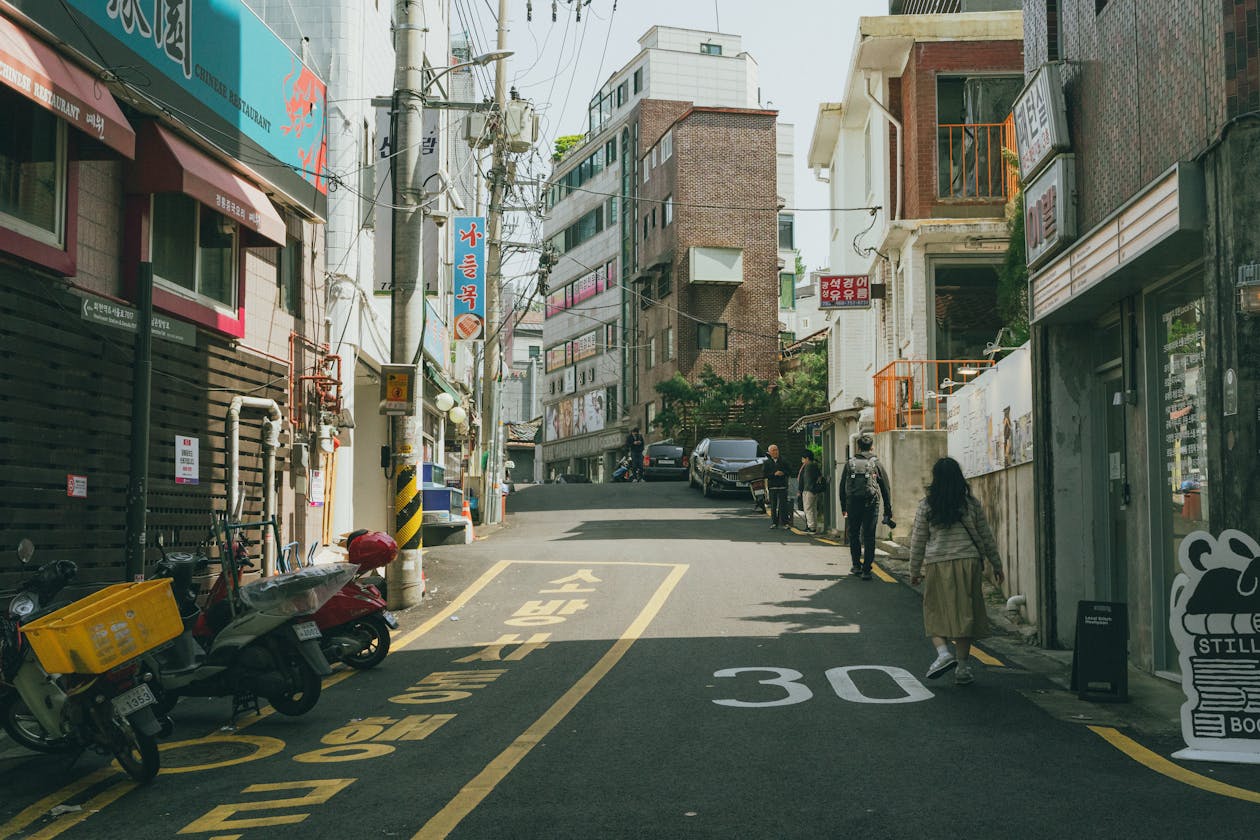
Photo by Theodore Nguyen / Pexels
Something interesting is happening in South Korea's tourism scene. Visitors are no longer rushing to Gyeongbokgung Palace or waiting in long lines at Myeongdong. Instead, they're browsing the snack aisle at a local Emart, sitting in a tiny neighborhood café in Yeonnam-dong, or learning how to make kimchi with a grandmother in a rural village.
This shift has a name: K-Everydayism. And it's quickly becoming the defining travel trend of 2026.
What Is K-Everydayism?
K-Everydayism is a term coined by the Korea Tourism Organization (KTO) as part of their 2026 tourism framework called D.U.A.L.I.S.M. It describes a growing desire among international visitors to move beyond K-drama filming spots and instead experience the real, everyday rhythms of Korean life.
Think of it this way: instead of taking a photo at the famous Namsan Tower, you might spend an afternoon at a jjimjilbang (Korean bathhouse), trying hard-boiled eggs and sikhye while lounging on the heated floor — the way millions of Koreans actually spend their weekends.
The "Mart Attack" Phenomenon
One of the most popular expressions of this trend is called "Mart Attack" — the habit of visiting Korean supermarkets as a travel activity. According to Skyscanner's 2026 Travel Trends report, 56% of Korean travelers visit local supermarkets during trips abroad. Now, foreign visitors are doing the same thing in Korea.
What makes Korean marts so appealing?
- Unique snacks you can't find anywhere else — honey butter chips, Pepero limited editions, and seasonal treats
- Affordable souvenirs — instant ramyeon packs, gochujang tubes, and dried seaweed bundles
- A glimpse into real Korean food culture — what locals actually eat at home, not what's served in tourist restaurants
Best marts to visit:
- Emart (이마트) — the largest supermarket chain. The Yongsan or Wangsimni branches are easy to reach by subway.
- Lotte Mart Seoul Station — conveniently located, popular with tourists but still authentic.
- No Brand Store — budget-friendly private-label goods. Great for cheap but quality Korean products.
Neighborhood Hopping: Beyond Myeongdong and Hongdae
K-Everydayism also means exploring neighborhoods where actual Koreans spend their time — not the ones designed for tourists.
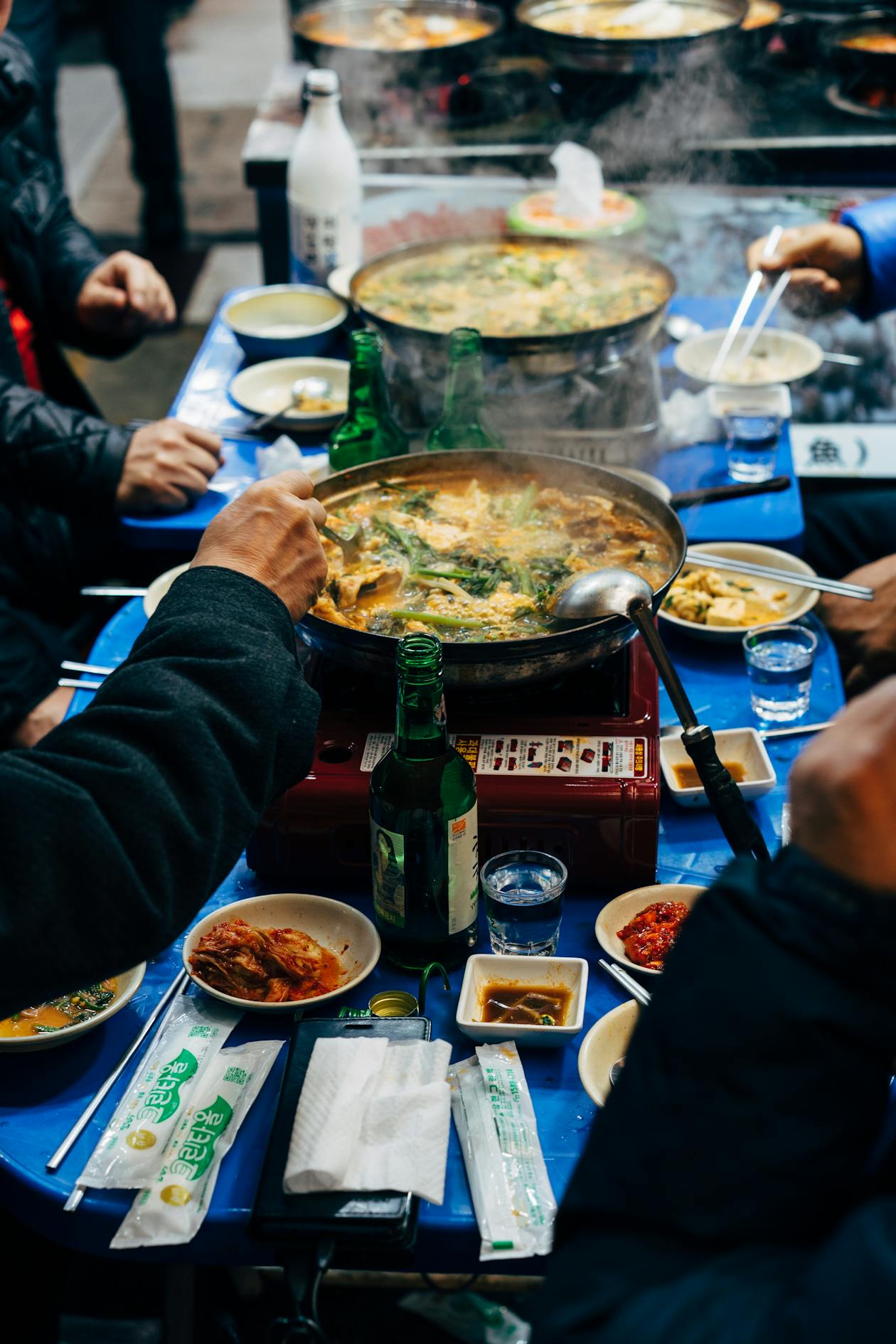
Photo by Sabel Blanco / Pexels
1. Yeonnam-dong (연남동)
A quiet residential area turned creative hub. Small bakeries, independent bookshops, and parks where locals walk their dogs. The famous Gyeongui Line Forest Park runs right through it — perfect for a slow afternoon walk.
2. Mangwon-dong (망원동)
Home to Mangwon Market, one of Seoul's most authentic traditional markets. Unlike Gwangjang Market, prices are fair and vendors don't aggressively call out to tourists. The tteokbokki and hotteok here are the real deal.
3. Seongsu-dong (성수동)
Seoul's "Brooklyn." Former factories converted into cafés, galleries, and concept stores. This is where young Koreans spend weekends — browsing pop-up shops, drinking craft coffee, and exploring art spaces.
4. Euljiro (을지로)
An old industrial district experiencing a revival. Hidden bars and retro cafés sit between hardware shops and printing houses. The contrast is part of the charm — it's raw, unpolished, and uniquely Seoul.
How to Experience K-Everydayism on Your Trip
Step 1: Skip the Tour Bus
Instead of booking a packaged city tour, plan your own route using Naver Map (more accurate than Google Maps in Korea). Pick one neighborhood per day and just wander.
Step 2: Eat Where Locals Eat
Look for restaurants with Korean-only menus. If there's a line of office workers at lunch, that's your sign. Avoid places with English menus displayed outside — they're often tourist-priced.
Step 3: Visit a Jjimjilbang
Korean bathhouses are an essential part of daily life. Dragon Hill Spa in Yongsan is foreigner-friendly, but for a more authentic experience, try a smaller neighborhood jjimjilbang.
Step 4: Take a Cooking Class
Several organizations offer kimjang (kimchi-making) classes and Korean home cooking experiences. It's one of the best ways to connect with Korean culture on a personal level.
Step 5: Shop at a Traditional Market
Markets like Tongin Market (with its unique lunchbox program using traditional wooden coins) or Mangwon Market give you an honest look at Korean food culture without the tourist markup.
Why K-Everydayism Matters
South Korea welcomed a record 18.7 million international tourists in 2025, surpassing the pre-pandemic peak. But the KTO recognizes that more visitors doesn't necessarily mean better tourism. The push toward K-Everydayism is about creating deeper, more meaningful connections between visitors and Korean culture.
It's also about sustainability. When tourists spread out into neighborhoods instead of crowding the same five spots, local businesses benefit, and the travel experience improves for everyone.
Final Thoughts
If you're planning a trip to Korea in 2026, consider ditching the typical tourist checklist. Walk through a quiet alley in Yeonnam-dong. Buy honey butter chips at Emart. Sit on the heated floor of a jjimjilbang with a cold sikhye in your hand.
That's K-Everydayism. And it might just be the best way to truly experience Korea.
Related reading:
Korea Tourism Organization Official Site
Post a Comment