
The Dongseo Trail: Korea's First Long-Distance Hiking Route Opens in 2026
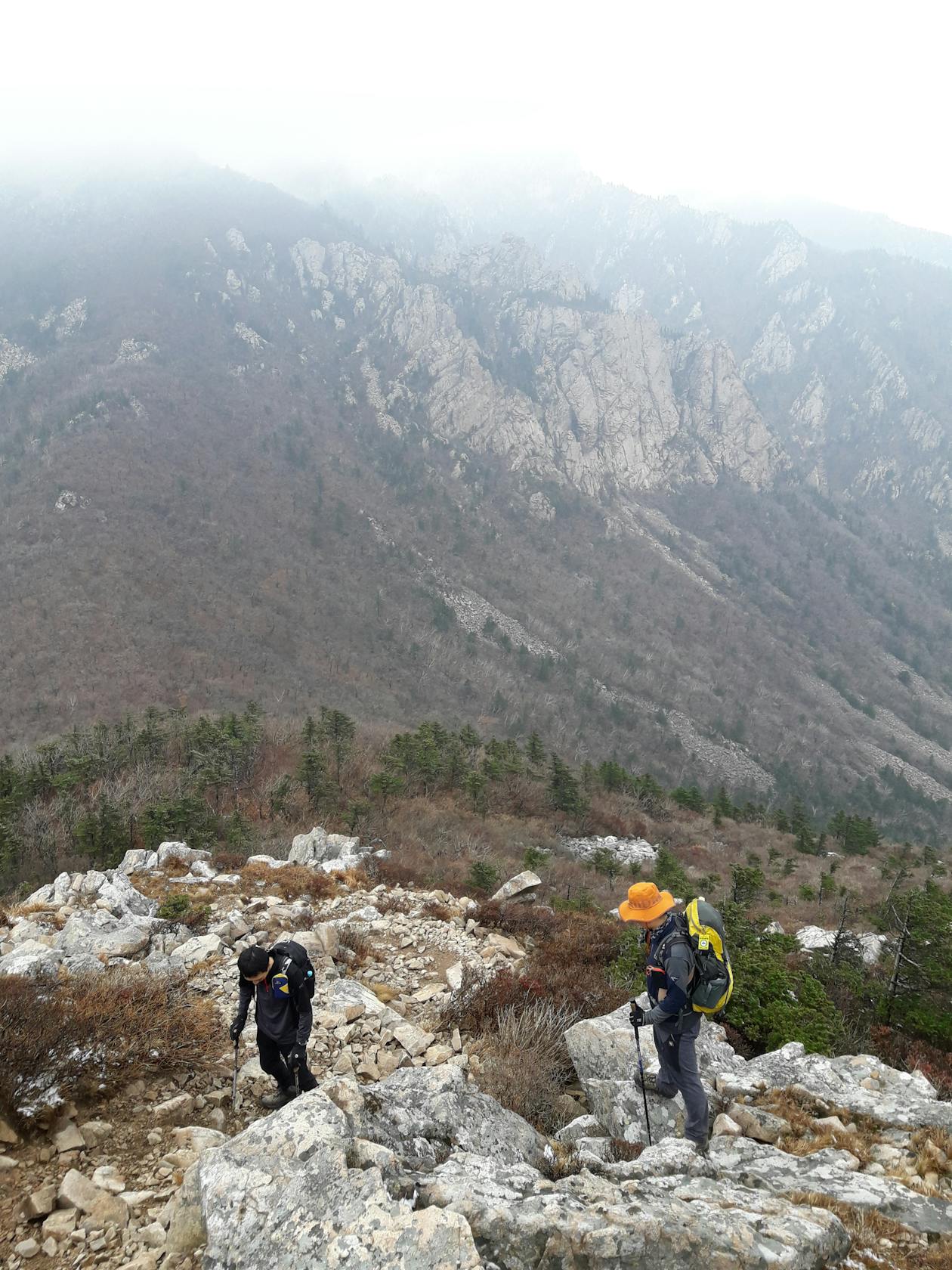
Photo by Pexels
South Korea has always been a hiker's paradise — with over 20 national parks and mountains covering roughly 70% of the peninsula, trails are everywhere. But in 2026, the country is taking hiking tourism to a completely new level with the Dongseo Trail (동서트레일).
Stretching 527 miles (849 kilometers) between the east coast ("dong," 동) and the west coast ("seo," 서), this is Korea's very first long-distance hiking route. And parts of it are opening this year.
What Is the Dongseo Trail?
The Dongseo Trail is a cross-country hiking path that connects Korea's eastern and western coastlines. It passes through mountains, rural villages, national parks, and agricultural landscapes — offering hikers a view of Korea that most tourists never see.
Unlike day-hike trails at popular mountains like Bukhansan or Hallasan, the Dongseo Trail is designed for multi-day trekking. Think of it as Korea's answer to Spain's Camino de Santiago or Japan's Kumano Kodo.
Key Facts About the Dongseo Trail
| Total Length | 527 miles (849 km) |
| Direction | East coast ↔ West coast |
| Terrain | Mountains, forests, rural villages, farmland |
| Key National Parks | Jirisan, Deogyusan, and more |
| Status (2026) | Partially open — select sections accessible |
| Difficulty | Moderate to challenging (varies by section) |
Why This Trail Matters for Hikers
1. It Crosses the Entire Country
No existing trail in Korea connects coast to coast. The Dongseo Trail gives hikers the unique experience of traversing the full width of South Korea, passing through dramatically different landscapes along the way.
2. It Passes Through Jirisan National Park
Jirisan is Korea's premier multi-day hiking destination. It has the highest peaks on the mainland, mountain refuges for overnight stays, and some of the most stunning ridgeline views in the country.
3. It Showcases Rural Korea
Much of the trail passes through areas that tourists rarely visit — small farming villages, quiet temples, and landscapes that feel untouched by modern development.
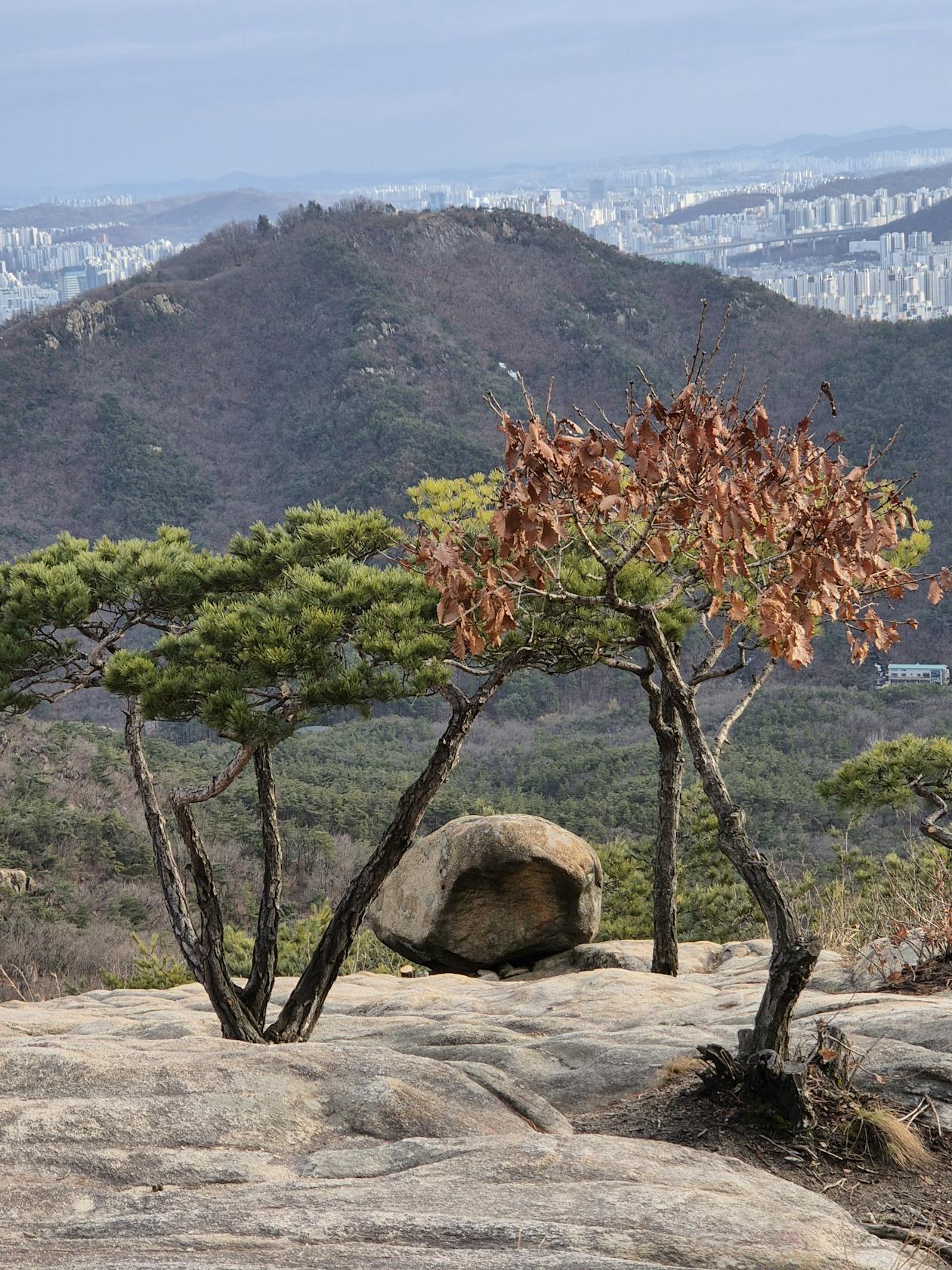
Photo by Pexels
Sections Opening in 2026
The full trail won't be complete immediately, but several sections are expected to open throughout 2026:
- Jirisan section — the most anticipated part, with ridge walks and overnight shelters
- Deogyusan section — known for stunning autumn foliage and snow-covered peaks in winter
- Rural lowland sections — connecting mountain sections through villages and agricultural areas
Tip: Check the official Korea Tourism Organization website or local trail organizations for the latest updates on which sections are open.
How to Prepare for the Dongseo Trail
Gear Essentials
- Proper hiking boots — Korean mountain trails can be rocky and steep
- Layered clothing — weather can change rapidly, especially at higher elevations
- Rain gear — essential during the monsoon season (July–August)
- Water and snacks — some sections are remote with limited facilities
- A portable battery — for your phone (use Naver Map for navigation)
Best Time to Hike
- Spring (April–May) — cherry blossoms and wildflowers. Mild temperatures. Best for photography.
- Autumn (September–November) — Korea's most spectacular season. Fiery red and orange foliage across the mountains.
- Avoid July–August — monsoon rains make trails slippery and dangerous.
Accommodation Along the Trail
Mountain refuges (산장, sanjang) are available in national parks like Jirisan, but they fill up fast — reserve well in advance through the Korea National Park Service website. In rural sections, you may find:
- Minbak (민박) — Korean-style guesthouses in villages
- Pension — slightly more modern rental accommodations
- Templestay programs — spend a night at a Buddhist temple along the route
Combining the Dongseo Trail with Other Korean Hikes
If you can't commit to the full trail, consider combining a Dongseo section with other popular hikes:
- Bukhansan National Park (Seoul) — a challenging day hike just 30 minutes from downtown Seoul. Great granite peaks and city views.
- Hallasan (Jeju Island) — South Korea's highest mountain. A full-day hike to the volcanic crater at the summit.
- Seoraksan National Park (Gangwon-do) — dramatic rock formations and one of Korea's most beautiful parks.
Travel Tips for Foreign Hikers
- Get the Climate Card — a new 2026 transit card offering unlimited subway and bus rides in Seoul for a flat daily fee. Use it to reach trailheads.
- Download Naver Map — Google Maps is unreliable for directions in Korea. Naver Map works much better for public transport routes and trail navigation.
- Learn basic Korean phrases — in rural areas, English is rarely spoken. Knowing "hello" (안녕하세요), "thank you" (감사합니다), and "where is…?" (어디예요?) goes a long way.
- Bring cash — some village shops and guesthouses don't accept cards.
Final Thoughts
The Dongseo Trail represents a new chapter for hiking tourism in South Korea. It's ambitious, scenic, and deeply connected to the Korean landscape in a way that no other trail has achieved before.
Whether you're a serious long-distance hiker or just looking to walk a section or two, the Dongseo Trail deserves a spot on your 2026 travel bucket list. Korea's mountains have always been special — now there's a trail that connects them all.
Useful links:
Korea Tourism Organization
Korea National Park Service
Post a Comment